Generated shape and materials
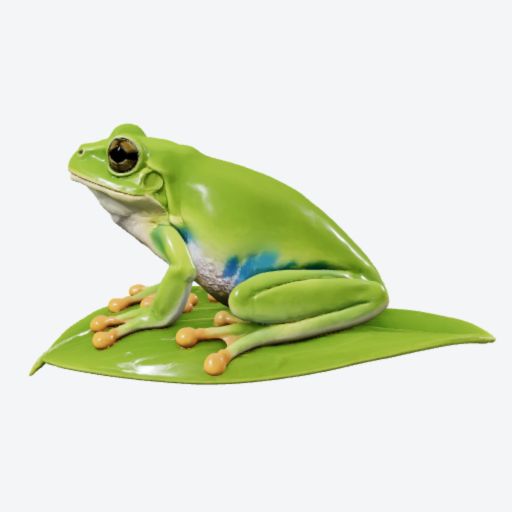
This single-image sample was generated with PBR materials and a 50,000-face target.
FROM REFERENCE TO 3D
Turn an image or text prompt into a 3D model with PUR3D. Rotate the result in your browser, download the GLB file, and check the credit cost before you generate.

See how a single reference image becomes a 3D model. Compare the original with the generated GLB, then rotate it to inspect the sides and back.

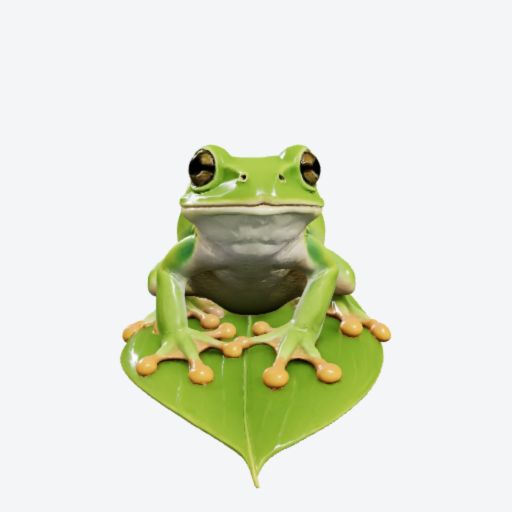
This single-image sample was generated with PBR materials and a 50,000-face target.
Current reference price: 36 credits
Single image · Detailed control · PBR · standard texture and geometry. This is today’s quote, not the historical charge for this sample.
The sample is optimized for browser viewing. Your completed model can be downloaded as GLB.
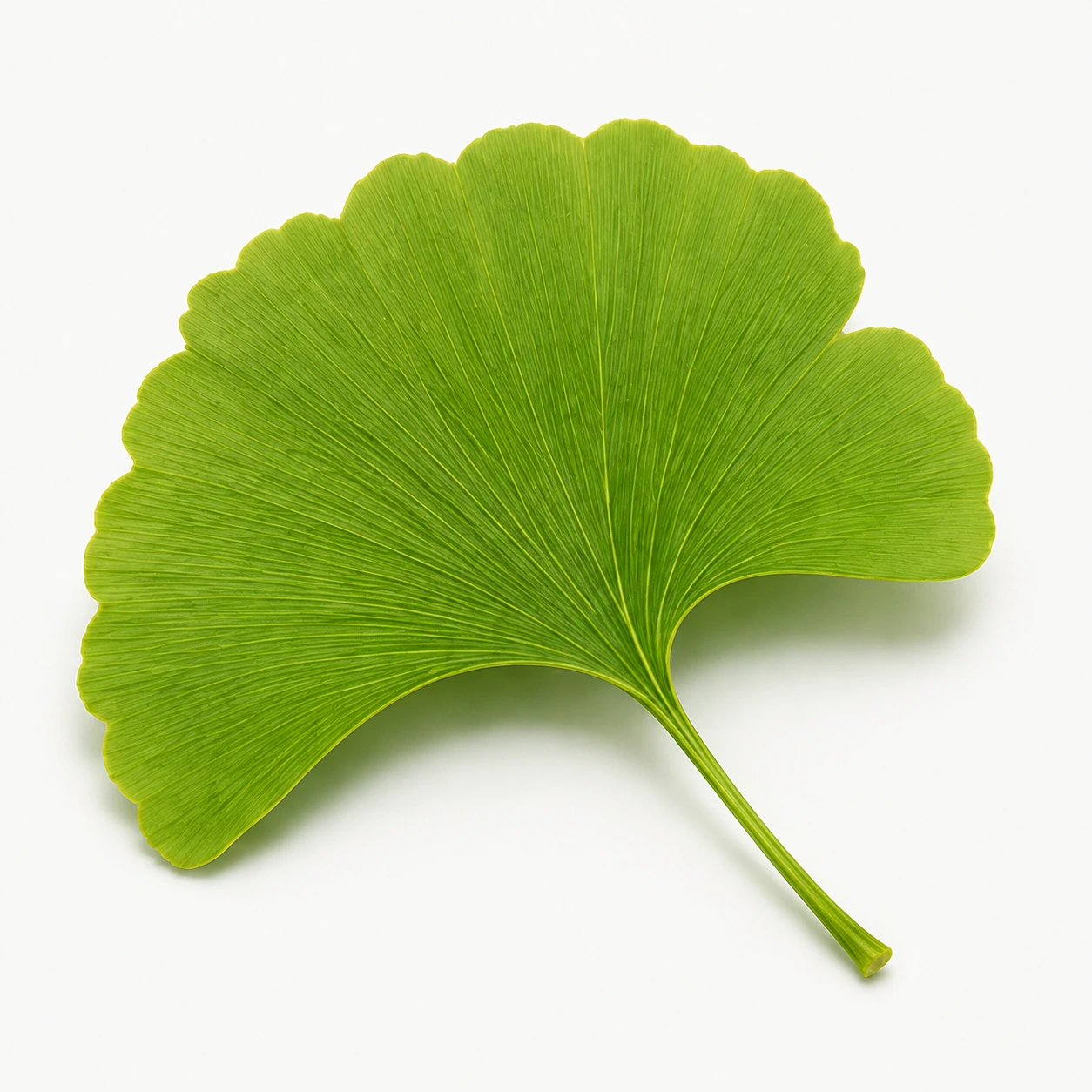
Start with the curve of a leaf or the shape of a wing. These nature studies offer reference ideas for 3D creation; you can also explore characters, props and everyday objects.
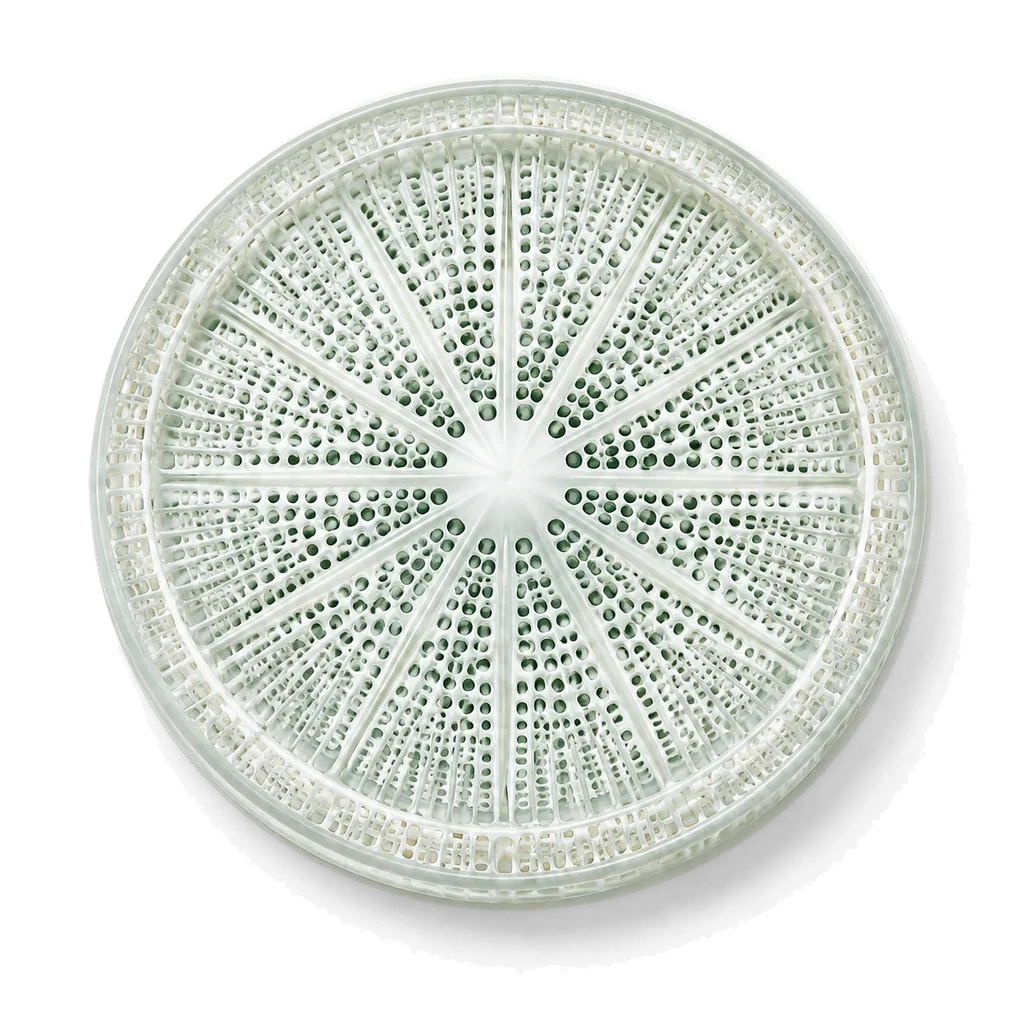
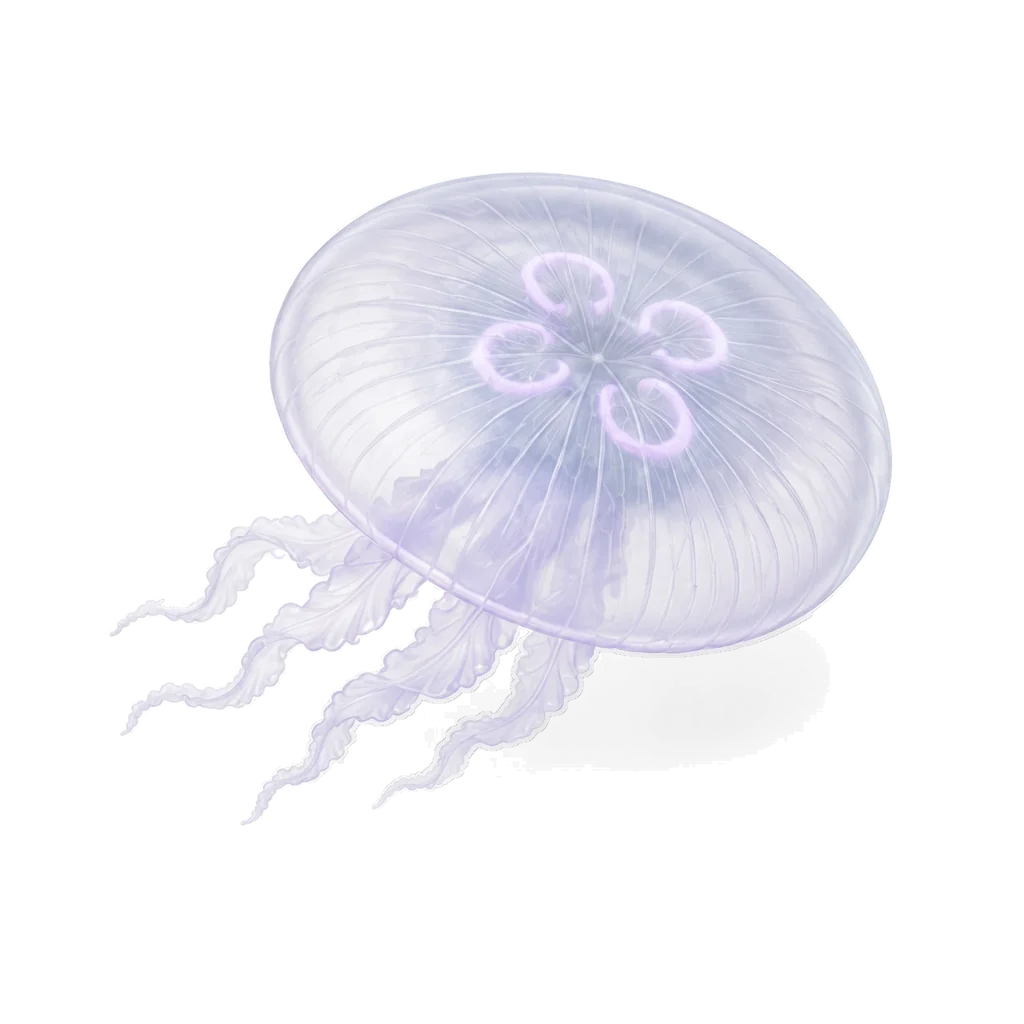


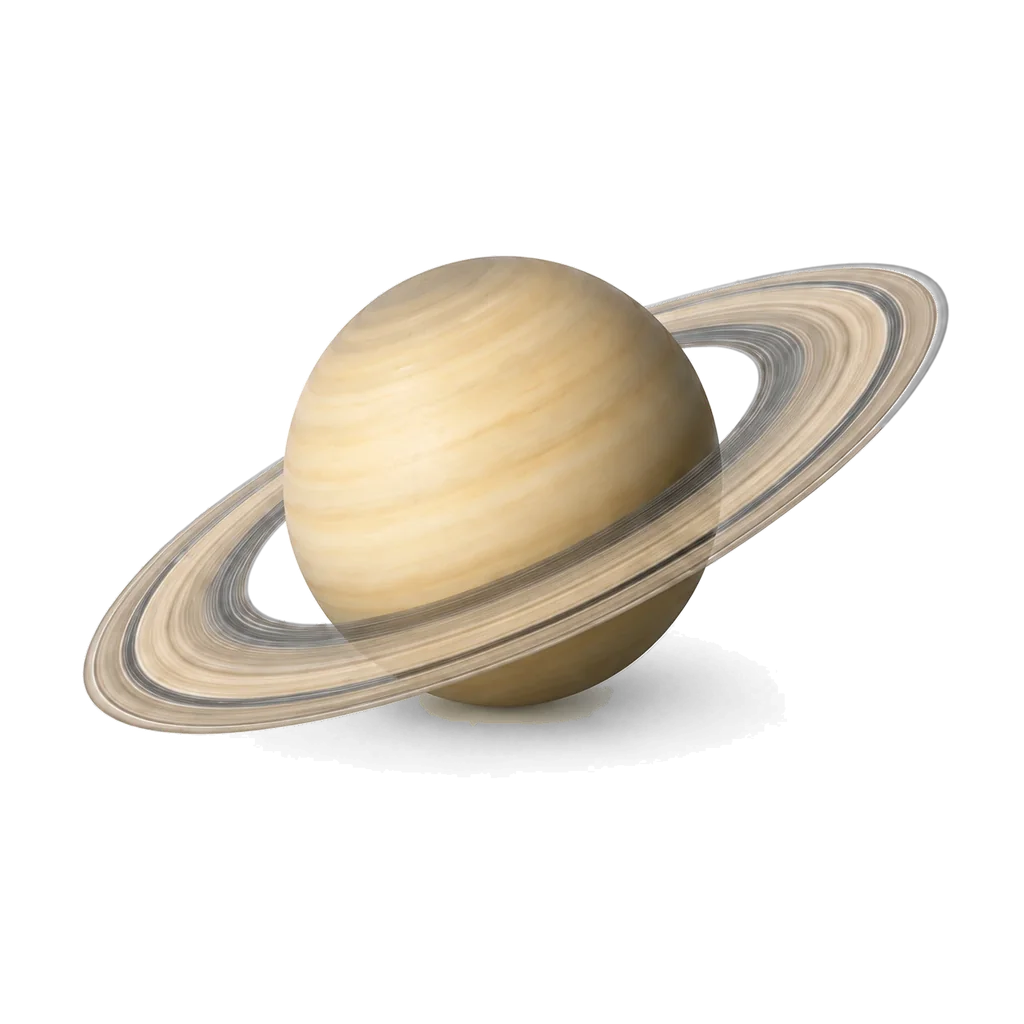
Illustrative nature studies. For a real generated result, explore the tree frog above.
Explore the 3D Model LibraryGo from a reference to a downloadable GLB in four steps: add your input, review the quote, inspect the result and download your model.
Upload a clear image, write a description or add consistent views of one subject.
Choose quality and materials. Review the credit quote before submitting.
Follow progress in Studio, then rotate the finished model to check every side.
Download GLB for a compatible editor, a scene or your next creative experiment.
Need help with formats, credits or usage rights? See the questions below.
Choose image to 3D for a visual reference, text to 3D to explore an idea, or multiple views to show more of the same subject. Available modes depend on your selected tier.
Choose your input method in Studio. This panel is a guide.
Upload a JPG or PNG with the whole subject in view. A clear silhouette and simple background help communicate the shape you want to generate.
The unseen side is generated. Rotate the result to inspect it.
Explore props, character concepts and scene assets. Use the generated model as a starting point, then refine it for your project.
Explore the silhouette of a lamp, an ornament or a scene prop before refining it in an editor.
Turn a character idea into a form you can inspect from every angle. Rigging and animation are separate steps.
Use a rotatable form to explain a shape or an idea. Verify scientific details separately.
Bring a GLB into a compatible scene or workflow, then adjust materials and geometry for the project.
These are suggested workflows, not a gallery of verified results. Review geometry, materials and compatibility before using a model in your project.
Choose a monthly or annual plan for your 3D model projects. Images and 3D share one credit balance.
Billed monthly · cancel renewal anytime
Monthly credits expire. Permanent packs available to subscribers.
Billed monthly · cancel renewal anytime
Monthly credits expire. Permanent packs available to subscribers.
Billed monthly · cancel renewal anytime
Monthly credits expire. Permanent packs available to subscribers.
The 3D model estimate uses the full monthly allowance for text to geometry at the lowest cost. Materials and higher-quality settings cost more. Review the quote for your own 3D model before submitting.
Please review: Terms & refunds · Privacy · Cookies
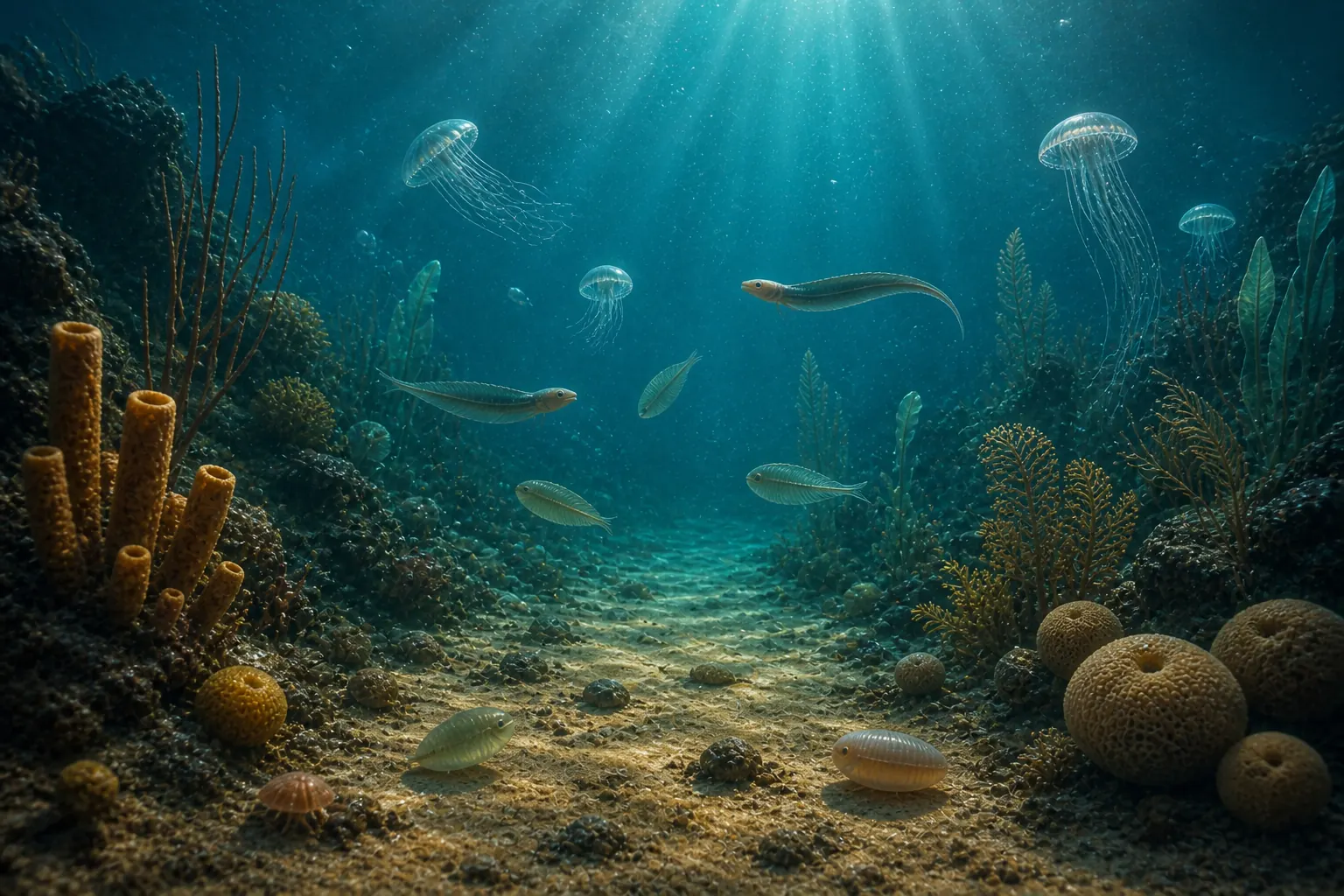
Browse published 3D models, read the explanations and follow their reference sources. Find a subject to explore or inspiration for your next model.
Browse freely; access to individual models depends on the entry. Your private creations stay in Studio.
Explore the 3D Model Library
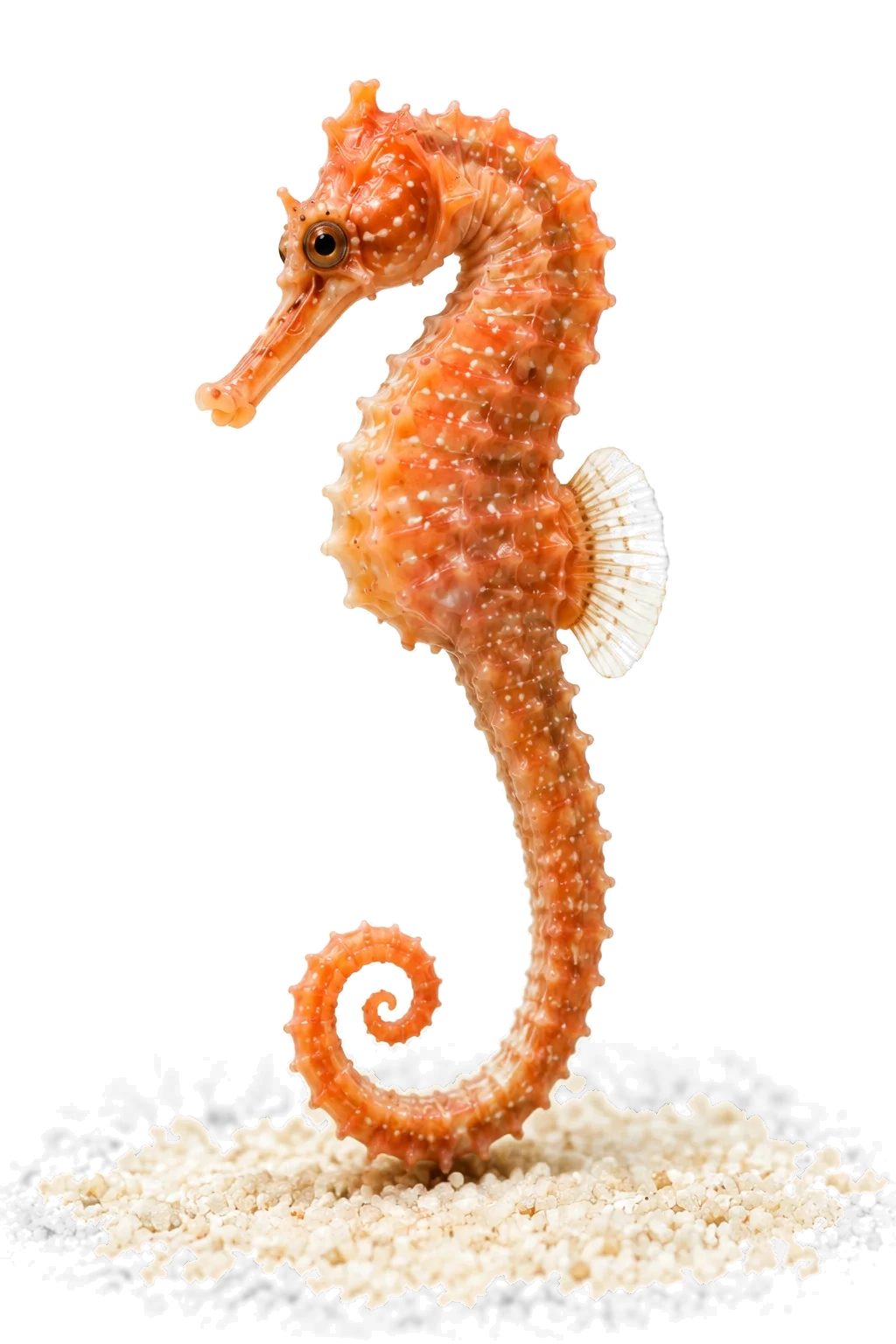
Illustrative specimens. Open the library to see published entries.
What to upload, how credits work and what you can do with your downloaded model.
Contact usNo. Start with a clear reference image or a description. Preview the result and refine your input if you want to try another version.
Use an image when you already know the appearance, or text to explore an idea. Supported tiers also accept consistent views of the same subject.
Use JPG or PNG with a complete, clearly visible subject. Follow the upload requirements in Studio. Generation interprets your reference; it is not an exact scan.
Input, quality and materials affect the quote shown before submission. Monthly subscription credits expire; permanent packs do not. Visit Pricing for the full rules.
Open Studio or generation history for progress, results and failure information. Processing time varies; check the task’s credit record if something goes wrong.
Completed personal models download as GLB. Keep a copy and check geometry, materials and compatibility in your chosen editor.
Commercial use is subject to the Terms of Service and the rights involved in your input and output. The 3D model generator does not guarantee exclusive ownership or freedom from third-party rights. Check permissions for your intended use.
No. The 3D model generator does not guarantee watertight geometry, accurate dimensions or print readiness. Inspect and prepare the file with suitable tools before printing. GLB download does not imply that an STL conversion or print repair is included.
Have a reference image or an idea in mind? Bring it to PUR3D, generate a model and explore it from every angle before downloading your GLB.
Review the credit cost before submitting your task.